
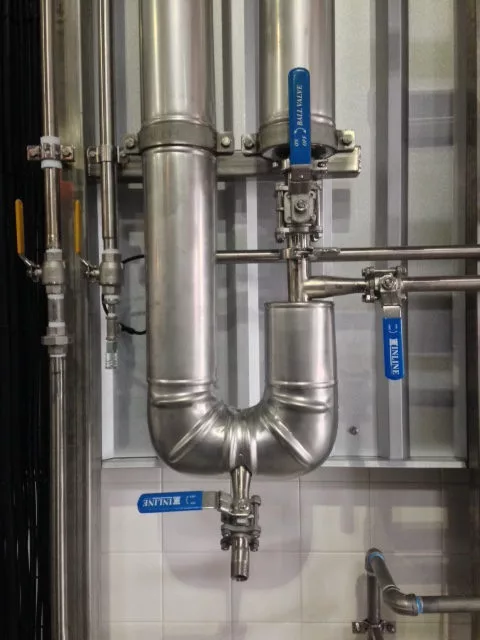
Coolers, freezers & packing houses
Cold Storage Insulation in the Central Valley
Closed-cell spray foam for coolers, packing houses and cold storage warehouses that need a sealed envelope.
- 39 yrs
- In business
- 40+
- Cities served
- 5.0
- Client rating
- Licensed
- & insured
Every gap in a cold room costs compressor time.
Cold storage loses temperature at the same places every time: panel seams, roof-to-wall joints, penetrations and dock doors. Warm, humid air pushes toward the cold side, so moisture ends up as frost and ice in exactly those gaps, and the refrigeration runs harder to keep up. A.S.I. seals and insulates the envelope with closed-cell spray foam so the room holds temperature with less work.
Why closed-cell foam for cold rooms
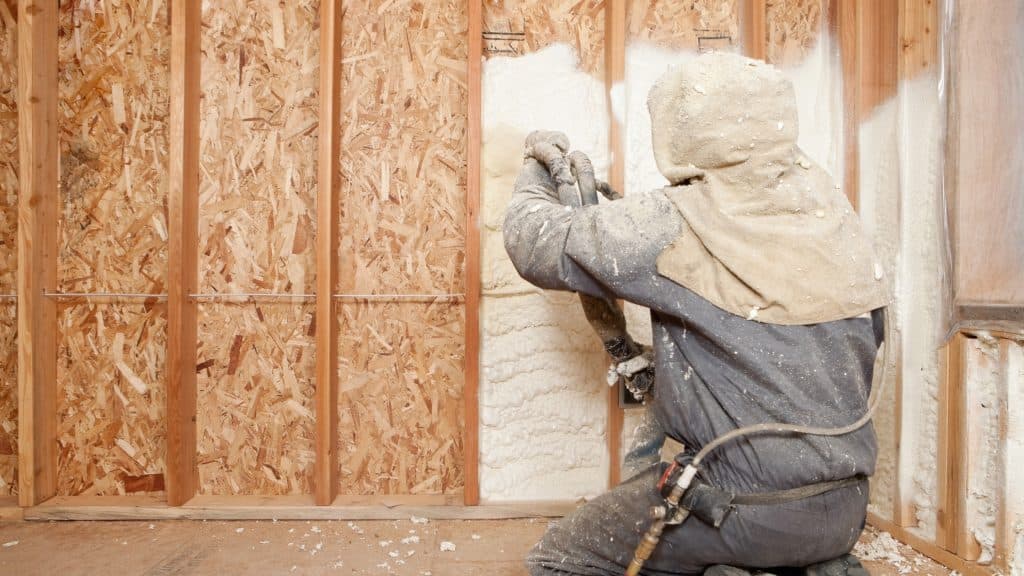
In a cooler or freezer the vapor drive runs one way, from the warm outside toward the cold inside, all year. Any insulation that lets moisture through will collect it, lose R-value and eventually ice up. Closed-cell foam resists water vapor at normal thicknesses, carries one of the highest R-values per inch of any insulation, and bonds to metal, concrete and wood without seams. That makes it the fix for the problems cold storage operators actually call about: frost at the panel joints, ice on the ceiling, sweating walls on the warm side and compressors that never cycle off. It also goes where panels cannot, around penetrations, on roof decks and over irregular framing in older buildings. California's Energy Code sets minimum insulation for refrigerated warehouses of 3,000 square feet or more, with higher levels for freezers than for coolers. We specify to those minimums or better.
How a cold storage job runs.
Planned around your season, sealed to spec.
Survey
We find where temperature and moisture are getting in: seams, roof, doors, penetrations.
Schedule
Work is phased by room or timed to a shutdown so product keeps moving.
Seal & spray
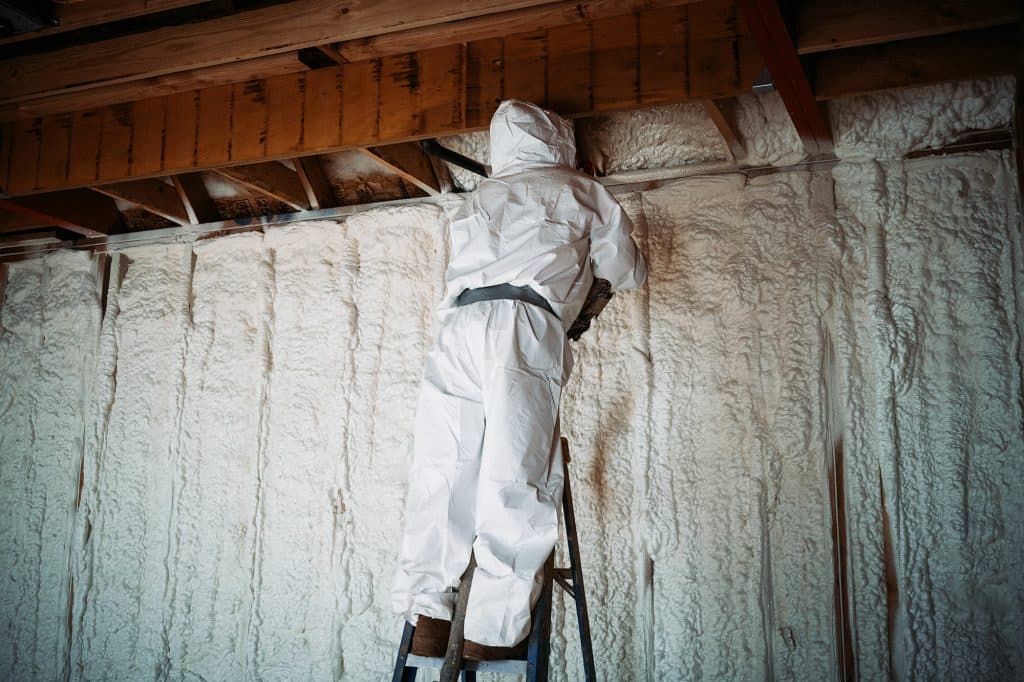
Closed-cell foam to the specified thickness, with every seam and penetration closed.
Protect
Protective coating where washdown or code calls for one, then a clean handover.
Cold facilities we insulate.
Wherever product has to stay cold and the building has to hold it.
Working around a running facility
Central Valley cold storage does not stop for a contractor. Kern County alone grew nearly $9 billion of crops in 2025, led by pistachios, grapes, citrus and almonds, and that product moves on a calendar. We plan the work around yours: phased by room, scheduled into the slower months, or done during a short shutdown when that is the only window. We have insulated cold storage and ice plants across Kern County, including Kern Ice and 4-Star Fruit Cold Storage, and our reference list has included U.S. Cold Storage, Taylor Farms and Naked Juice. We work from the Valley out to the Central Coast and Ventura County, where strawberry and produce coolers carry the same problems.
What cold storage insulation costs
The price follows the room size, the target temperature (a freezer needs more foam than a cooler), the condition of the existing envelope, access and height, whether a protective coating is needed for washdown or code, and how the work has to be phased around operations. We survey the facility, find where temperature and moisture are getting in, and give you a written quote that separates repairs from upgrades, so you can decide what to do now and what can wait for the off-season.
Cold storage insulation questions.
What operators ask before they book a shutdown.
Can you insulate while the facility is running?
Usually, yes. We phase the work room by room or schedule it into your slow season so product keeps moving.
Can spray foam fix frost and ice at the panel seams?
That is one of the most common reasons we are called. Sealing the seams and joints with closed-cell foam stops the warm, moist air that turns into frost.
What R-value does a cooler or freezer need?
California's Energy Code sets minimums for refrigerated warehouses, higher for freezers than coolers. We specify the thickness for your target temperature and put it in writing.
Does foam work over insulated metal panels?
Yes. Foam is often used to seal and reinforce aging panel rooms, especially at the joints, ceilings and roof-to-wall connections where panels fail first.
Do you insulate roofs over cold rooms?
Yes. The roof deck is often where the largest losses are, and closed-cell foam can be applied there as part of the envelope.
Does the foam need a coating in a food facility?
Often. Where washdown, sanitation or code calls for it, we apply a protective coating over the foam.
Can you also insulate the refrigeration piping?
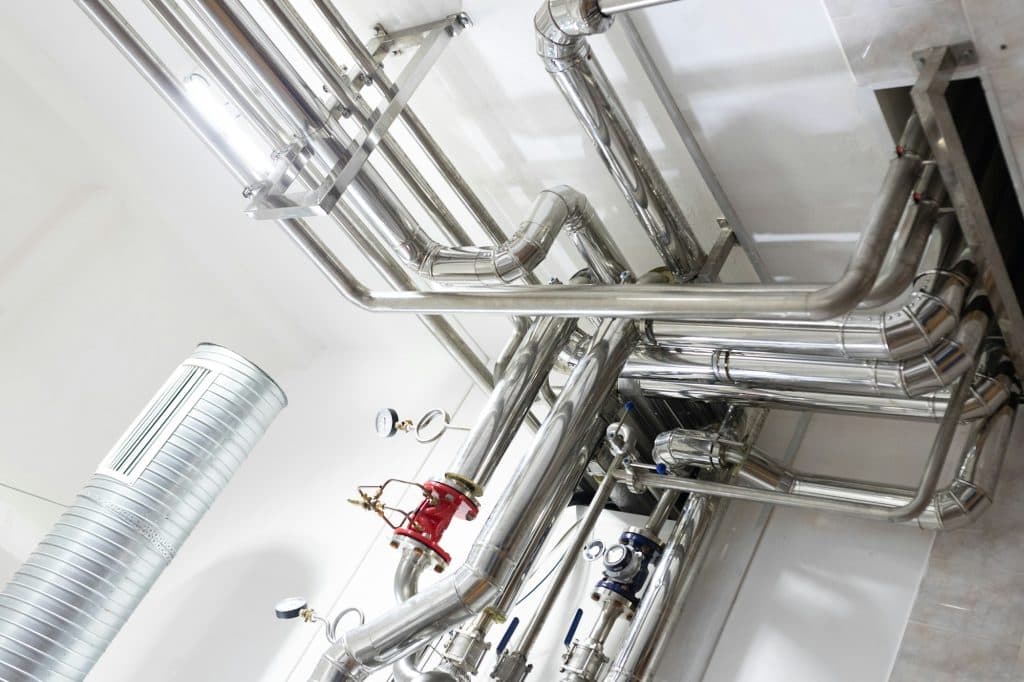
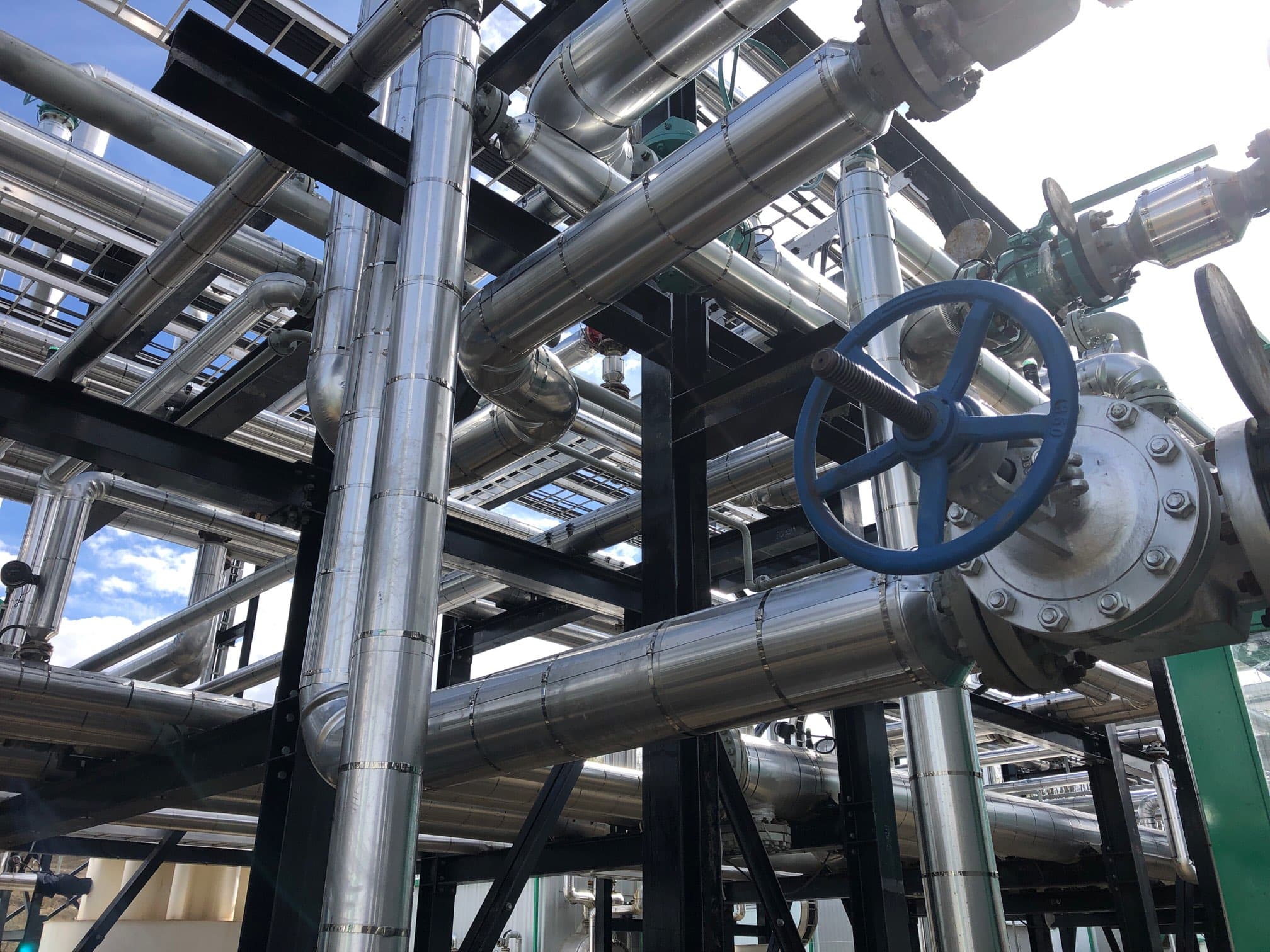
Yes. We are a mechanical insulation contractor too, so suction lines and chilled piping can be insulated and vapor-sealed on the same job.
Where do you work?
Across Kern County and the Central Valley, plus the Central Coast and Ventura County.
Related services.
The work that usually comes up on the same kind of job.
Tell us about your project.
- Reply within 1 business day
- Free estimates
- No obligation